The Meaning of Breaking the Pen's Nib in Death penalties
A capital punishment addresses the most extreme discipline a court can force on a person in sympathetic social orders. Regularly held for the people who have carried out horrifying wrongdoings against humankind, for example, murder, capital punishment stays pertinent in India's overall set of laws, featuring the seriousness of such offenses.
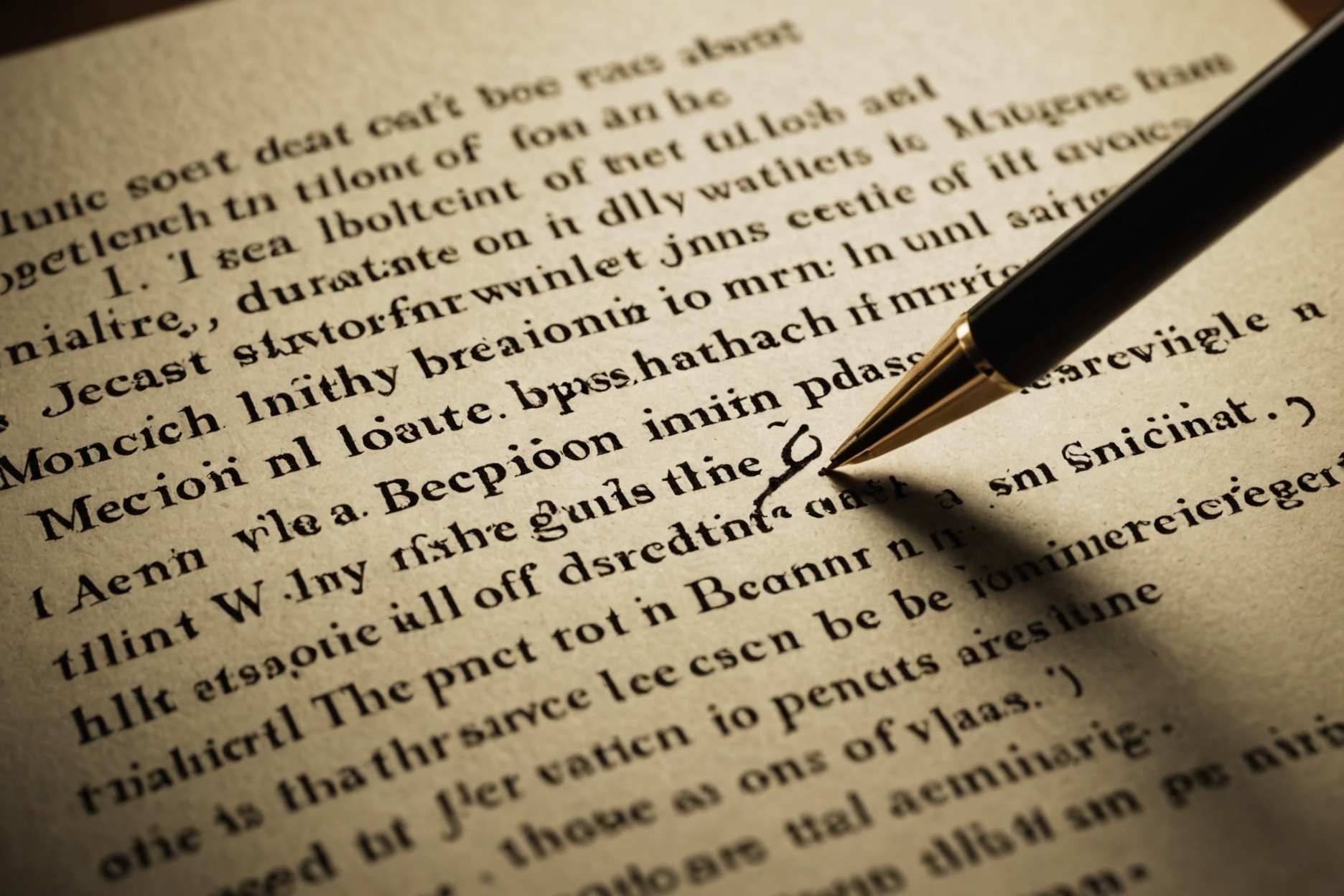
Strangely, custom assumes a part in this specific situation. Since English provincial rule, decided in India have complied to the custom of breaking the nib of their pens in the wake of marking a capital punishment.
As per research by the Public Regulation College in Delhi in 2018, India has executed 1,414 people since freedom. While this number might appear to be somewhat low contrasted with different nations, it implies that Indian appointed authorities intend to restrict the burden of death penalties. Such decisions are extraordinary and weigh intensely on the adjudicators who make them.
This careful methodology is halfway educated by an essential legitimate guideline in India: \It is better for 100 liable people to go free than for one blameless individual to endure.\
In any case, for what reason do passes judgment on break the pen's nib? A few speculations make sense of this training.
One hypothesis sets that obliterating the nib subsequent to marking an execution order guarantees that the pen, which has fixed someone else's destiny, is at absolutely no point ever utilized in the future. This act represents the pen's association with an \unholy\ act and implies its super durable expulsion from additional utilization.
According to this viewpoint, breaking the nib goes about as an emblematic motion, empowering judges to separate themselves from the responsibility of their choice, independent of its support. Given India's social and profound convictions, including thoughts of resurrection, this training reverberates with specific residents' qualities.
A subsequent hypothesis recommends a more logical justification for the custom: to subdue any questions or difficulties to the decision. By breaking the nib, makes a decision about look to keep themselves as well as other people from challenging their decision. The weight of giving over a capital punishment might entice an adjudicator to rethink their choice, possibly risking their validity. When the nib is broken, just a higher court can topple the sentence.
Ultimately, some suggest that judges break the nib from a spirit of culpability, recognizing that main a heavenly authority has the privilege to end a day to day existence. This act reaffirms that judges are executing their obligation to benefit society.
This training is to be sure spellbinding; the basic demonstration of breaking a pen's nib conveys significant importance.
At last, it is clear that a capital punishment addresses a critical choice with broad consequences for all included. On the off chance that breaking a pen's nib offers comfort to those taking part in this cycle, it is a custom worth safeguarding.
Strangely, custom assumes a part in this specific situation. Since English provincial rule, decided in India have complied to the custom of breaking the nib of their pens in the wake of marking a capital punishment.
As per research by the Public Regulation College in Delhi in 2018, India has executed 1,414 people since freedom. While this number might appear to be somewhat low contrasted with different nations, it implies that Indian appointed authorities intend to restrict the burden of death penalties. Such decisions are extraordinary and weigh intensely on the adjudicators who make them.
This careful methodology is halfway educated by an essential legitimate guideline in India: \It is better for 100 liable people to go free than for one blameless individual to endure.\
In any case, for what reason do passes judgment on break the pen's nib? A few speculations make sense of this training.
One hypothesis sets that obliterating the nib subsequent to marking an execution order guarantees that the pen, which has fixed someone else's destiny, is at absolutely no point ever utilized in the future. This act represents the pen's association with an \unholy\ act and implies its super durable expulsion from additional utilization.
According to this viewpoint, breaking the nib goes about as an emblematic motion, empowering judges to separate themselves from the responsibility of their choice, independent of its support. Given India's social and profound convictions, including thoughts of resurrection, this training reverberates with specific residents' qualities.
A subsequent hypothesis recommends a more logical justification for the custom: to subdue any questions or difficulties to the decision. By breaking the nib, makes a decision about look to keep themselves as well as other people from challenging their decision. The weight of giving over a capital punishment might entice an adjudicator to rethink their choice, possibly risking their validity. When the nib is broken, just a higher court can topple the sentence.
Ultimately, some suggest that judges break the nib from a spirit of culpability, recognizing that main a heavenly authority has the privilege to end a day to day existence. This act reaffirms that judges are executing their obligation to benefit society.
This training is to be sure spellbinding; the basic demonstration of breaking a pen's nib conveys significant importance.
At last, it is clear that a capital punishment addresses a critical choice with broad consequences for all included. On the off chance that breaking a pen's nib offers comfort to those taking part in this cycle, it is a custom worth safeguarding.
LATEST POSTS
- 1
 37 Things Just Individuals Experiencing childhood during the 80s Will Comprehend
 - 27 Powerful Techniques to Boost Efficiency with Your Cell Phone: A Thorough Aide
- 3What's Your Number one Pizza Besting Mix?
- 4New movies to watch this weekend: See 'The Running Man' in theaters, rent 'One Battle After Another,' stream 'Nobody 2' on Peacock
- 5Don't plan to cook on Thanksgiving? Here are the restaurants and fast food places that are scheduled to be open





Share this article
- The most effective method to Apply Antiquated Ways of thinking in Current Brain science Practices
- 'Zootopia 2' movie reviews: A heartwarming, hysterical and earnest 'ode to community'
- How a cocktail of rogue storms and climate chaos unleashed deadly flooding across Asia
- Savvy Watches: Which One Is Appropriate for You?
- Pick Your Favored pizza beating
- The Force of Care: Living with Goal
- Car Investigation: A Survey of \Past the Outside\ Car
- The Solution to Defeating Tarrying: Systems for Expanded Efficiency
- Support Your Investment funds with These Individual accounting Thoughts